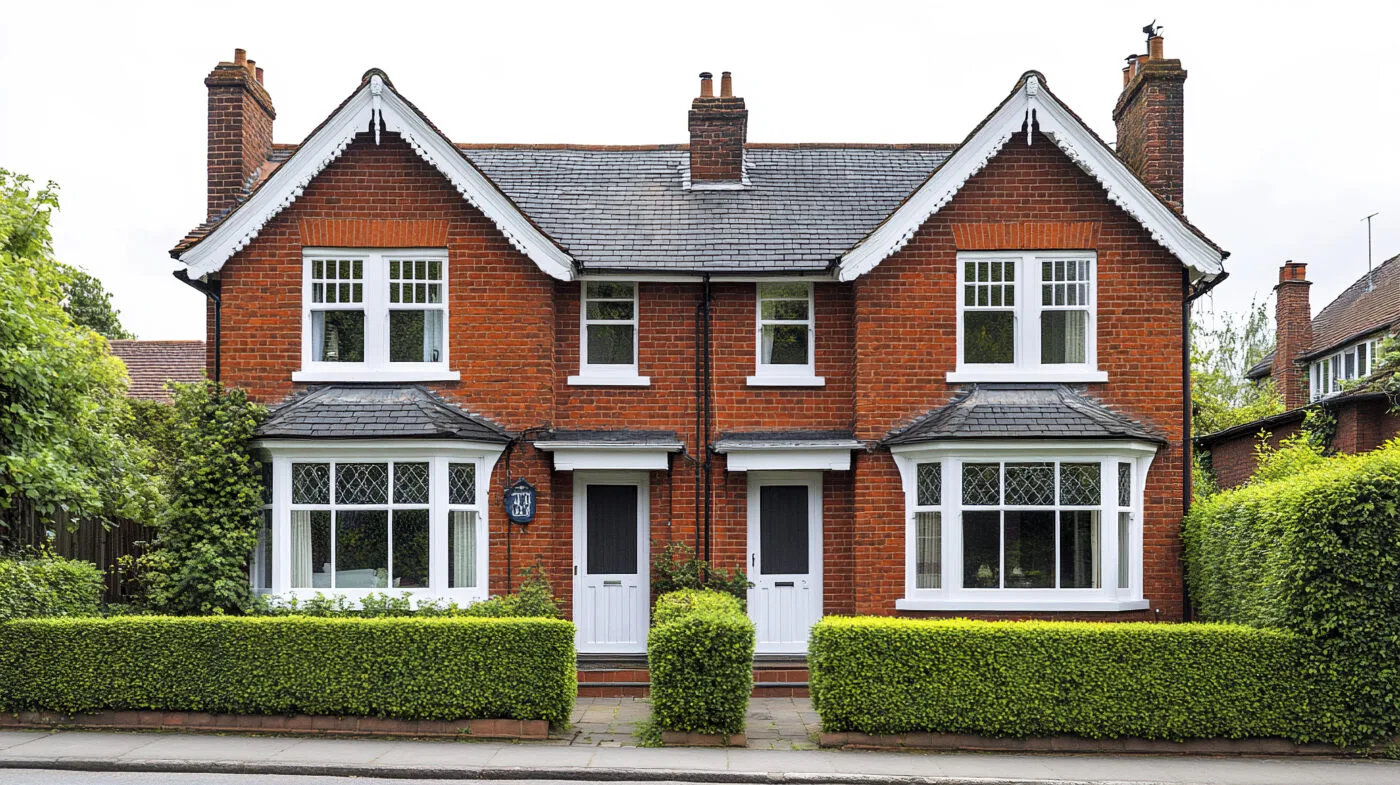
Party wall laws concern walls or structures associated with separately owned neighboring properties. These arrangements are common in attached homes, older urban buildings, row houses, and properties developed directly along boundary lines.
Responsibility for maintenance, repairs, alterations, and structural support can depend on ownership, easements, agreements, deeds, local building rules, and state property law.
What Is a Party Wall?
Cornell’s Legal Information Institute describes a party wall as a dividing wall shared between properties owned by separate parties. Ownership arrangements can vary, including common ownership or situations involving separate ownership combined with easement rights.
That means the phrase “party wall” does not always describe one identical legal arrangement. The governing documents and jurisdiction matter.
Find Out Who Actually Owns the Wall
Deeds, surveys, recorded agreements, building plans, title records, and historical documents may help determine where the boundary passes and what rights each owner holds.
Who Is Responsible for Party Wall Repairs?
Responsibility may depend on why work is needed, who benefits, what the agreement says, and whether one owner caused the damage. Owners should avoid assuming every repair bill must automatically be divided equally.
Broader real-estate stories may appear through business-oriented publications, but the cost allocation for a specific shared wall usually turns on the governing documents and local law rather than general property commentary.
| Issue | Document or Fact to Check | Possible Dispute |
|---|---|---|
| Routine repair | Wall agreement | Cost sharing |
| Structural damage | Cause of damage | Liability |
| New opening | Easement rights | Unauthorized change |
| Major construction | Plans and permits | Support risk |
Can One Neighbor Alter a Shared Wall?
Major alterations can become legally sensitive. Removing sections, cutting openings, raising the wall, attaching structural loads, excavating nearby soil, or changing support may affect the neighboring property.
Owners financing renovations may consult general borrowing resources, but obtaining money for a project does not establish the right to modify a shared structure. Property rights, permits, structural requirements, and contractual restrictions still need separate review.
The common-law concept of lateral support can also matter when excavation threatens neighboring land. Cornell explains that adjoining owners have recognized rights concerning support of land in its natural condition.
How Should Owners Prepare for Shared-Wall Construction?
Start by locating the deed, survey, party-wall agreement, easements, and any recorded restrictions. Review permit requirements and consider whether an engineer or other qualified professional needs to assess structural conditions.
General searches frequently mix authoritative information with unrelated online consumer content. For structural work, owners should rely on applicable building requirements and appropriately qualified professionals rather than informal web advice.
Written notice can also reduce misunderstanding. Even where a specific notice procedure is not legally required, documenting proposed work, timing, access needs, and repair arrangements may help prevent later factual disputes.
Common Mistakes That Escalate Party Wall Disputes
One owner should not assume that paying for construction creates unlimited authority to alter a shared wall. Ownership rights and easements can limit what either neighbor may do independently.
Ignoring minor damage is another risk. Cracks, movement, moisture, or structural changes should be documented before major work begins so the parties have a clearer record of preexisting conditions. Photographs and professional inspections can become important if responsibility is disputed later.
When Should You Seek Legal or Professional Help?
Consider legal advice before major demolition or structural changes when ownership is uncertain, a neighbor objects to access, an agreement is unclear, or proposed work may affect another building.
Structural movement, unsafe conditions, or excavation concerns may also justify prompt review by an engineer or local building professional. Legal and technical questions often overlap in shared-wall disputes.
Frequently Asked Questions
Is a party wall always owned equally by both neighbors?
No. Ownership arrangements vary. A wall may be commonly owned, separately owned in portions, or owned by one party subject to easement rights benefiting the neighboring property.
Can I attach something to a party wall?
That depends on ownership, easement rights, agreements, local construction rules, and the nature of the proposed attachment. Structural alterations can raise different issues from minor nonstructural work.
Who pays if a shared wall is damaged?
Responsibility may depend on the cause of damage, ownership arrangement, agreements between the parties, insurance, and applicable state law. Equal sharing should not automatically be assumed.
Clarify Rights Before Starting the Work
Party wall disagreements become far harder to solve after demolition, excavation, or structural work has begun. Confirm ownership, read any recorded agreement, document existing conditions, and determine what permits or professional reviews apply. When proposed work could affect a neighbor’s building or property rights, resolving responsibilities in advance can prevent a much more expensive dispute.
This article provides general legal information and is not a substitute for advice from a qualified attorney in your jurisdiction.